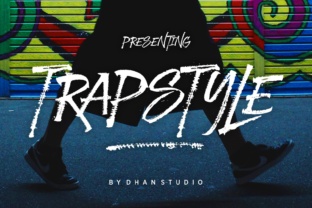
How Trapstyle Shapes Modern Aesthetics in Music, Fashion, and Digital Spaces
More Than Just Beats and Bass
If you’ve seen a dark, glossy social media profile with neon accents, or walked into a boutique that feels more like a club than a store, you’ve encountered Trapstyle. It started deep in the Southern hip-hop scene, alongside the rolling 808s and rapid hi-hats of trap music. Over time, that gritty, high-stakes energy spilled out of the speakers and into the visual world. Trapstyle is now a complete cultural and aesthetic framework. It blends raw street-level authenticity with aspirational luxury. It is the visual language of the modern hustler, and it shows up in everything from your TikTok feed to the way people decorate their apartments.
How Creators Use Trapstyle to Build Brands
The creator economy runs on attention, and few aesthetics grab it like this one. You see it in the thumbnails, the transitions, and the overall vibe. Creators use Trapstyle to signal high energy and exclusive content.
Think about the color palette. Deep purples, midnight blacks, and electric cyan or lime green accents. It creates immediate contrast. It stops the scroll. Combine that with bold, compressed sans-serif fonts and fast-paced editing with glitch effects, and you have a visual package that whispers (or shouts) "This is important. Pay attention."
It works because it feels authentic and unpolished, yet it requires significant skill to execute well. A grainy overlay or a subtle 3D text animation isn't just decoration. It signals that the creator understands the culture. For a fitness coach, this might mean using dark, moody lighting in their workout clips. For a business strategist, it could be a sleek, dark-mode presentation with neon callouts. It makes the content feel urgent and valuable.
Dressing the Part From the Trap to the Boardroom
Fashion is where Trapstyle lives most visibly. It has fueled the massive shift towards streetwear that the industry has seen over the last decade. It goes beyond just wearing a logo hoodie. Trapstyle in fashion is about silhouette and texture.
- Silhouette: Oversized and boxy tops balanced with wide-leg or tapered cargo pants. It is intentional and exaggerated.
- Texture: Heavy use of nylon, technical mesh, leather, and denim. Fabrics that feel durable and expensive.
- Accessories: Chunky silver chains, utility vests, and bold sneakers that look like they belong on a spaceship or a construction site.
The real-world benefit here is psychological. When you dress in this style, you are putting on a mindset of readiness and confidence. It is armor for the daily grind. A creative director might wear an oversized technical blazer to a client meeting, pairing it with clean sneakers. It communicates that they are serious but not stiff. They are part of the culture, not just observing it. The strength of Trapstyle fashion is its ability to bridge the gap between the street and the suite.
Dark Mode and Neon in UX and Web Design
If you have opened a startup's landing page recently and saw a dark background with electric buttons, you were looking at Trapstyle UX. It is a direct rejection of the sterile, bright white "corporate" web design. Instead, it embraces depth, contrast, and drama.
This design language works powerfully for specific industries. Fintech apps use it to feel secure and cutting-edge. Gaming platforms use it because it reduces eye strain and looks immersive. E-commerce brands targeting younger demographics use it to feel exclusive and sleek.
It isn't just about color. It involves micro-interactions. Buttons that snap or glow when hovered over. Smooth, fast page transitions. Glassmorphism effects that make elements feel layered. The goal is to make the digital experience feel physical and responsive. It treats the screen not as a piece of paper, but as a window into a high-energy, high-stakes environment. For a user, a Trapstyle interface feels more exciting and less like filling out a form.
Bringing the Vibe Home
Interior design might seem like an unlikely place for this aesthetic, but it is one of the most interesting applications. Trapstyle interiors are moody sanctuaries. They reject the bright, airy, minimalist look that dominated the last decade.
Instead, think black metal fixtures, exposed concrete walls, and plush velvet or leather furniture. Lighting is the most critical element. You rarely see a single overhead light. Instead, there are LED strips, neon signs, and spotlights that create zones of darkness and light. It is a space designed for focus and relaxation, not for bright family photos.
A practical application is a home office. A dark accent wall, a large wooden desk, a Herman Miller chair, and ambient RGB lighting create a space that feels productive and powerful. It is a space for grinding. For a living room, it might mean a low-profile sectional, a massive TV, and art that features bold typography or abstract faces. It creates a den-like atmosphere that feels private and luxurious. The limitation here is that it can feel cold if not balanced with warm textures like wool or wood. But when done right, it is deeply personal and grounded.
Who Is Trapstyle Really For
Different audiences benefit from this style in different ways. It is not a one-size-fits-all approach.
- The Hustler and Entrepreneur: Trapstyle allows them to project a narrative of success born from effort. It looks like hard work that paid off. It is aspirational but relatable.
- The Designer and Creative Professional: Using Trapstyle is a rebellion against boring corporate minimalism. It gives them a toolbox to create work that feels alive and culturally relevant.
- The Gamer and Streamer: They live in this aesthetic. It is native to their environment. Gaming peripherals, streaming overlays, and virtual environments are all heavily influenced by Trapstyle. It signals that they are part of the in-group.
- The Musician: For them, it is heritage. Trapstyle allows them to control the narrative of their culture and present it to the world on their own terms, blending luxury with reality.
What to Watch Out For Before Diving In
Trapstyle is powerful, but it is not without its challenges. The biggest one is authenticity. People can detect a fake from a mile away. Slapping a neon filter on a generic photo and calling it Trapstyle will not fool anyone. It requires substance. You need to understand the roots of the culture and the attitude behind it.
Audience polarization is another factor. Trapstyle is bold and often dark. It might alienate older or more conservative audiences who prefer traditional or minimalist aesthetics. If you are targeting a broad demographic, you need to decide if the edge is worth the potential loss of reach.
Execution cost is a major practical consideration. High-quality Trapstyle requires investment. In fashion, cheap fabrics ruin the look. In video, bad lighting makes the dark aesthetic look muddy instead of moody. In design, poor font choices look cliché. The style demands precision. The floor for "looking good" is high, but the ceiling is incredibly high. You have to invest in quality to make it work.
Making Trapstyle Work Across Different Industries
Beyond the obvious music and fashion sectors, Trapstyle is making waves in unexpected places. In the food and beverage industry, you see it in "dark dining" restaurants and streetwear-inspired burger joints. The menus are bold, the lighting is low, and the experience feels exclusive.
In the automotive world, Trapstyle car culture focuses on wrapped supercars, aggressive body kits, and moody photography of vehicles in industrial parking lots. It is about presenting the car as a piece of art and a symbol of achievement.
For a brand, using Trapstyle means committing to a vibe. It works best when you use sound design as much as visuals. The low-end rumble of bass in a commercial, the sound of a zipper or a heavy door closing—these auditory cues build the world. Start with a core palette of three colors (black, white, one neon). Focus on texture and contrast. Flat design is the enemy. You want depth, grit, and gloss.
Trapstyle is not just a trend. It is a reflection of a global shift towards raw, unapologetic self-expression. It rewards those who respect its roots and understand its power. Whether you are building a brand, designing a room, or choosing an outfit, it offers a way to communicate confidence, resilience, and a hunger for more.