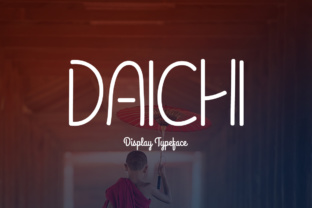
Daichi: Elevating Modern Brand Identity
Building a cohesive brand identity demands more than just a striking logo; it requires a systematic approach to visual communication. This is where a structured design framework becomes invaluable. Daichi, as a comprehensive creative system, enables designers and brands to maintain consistency across every application—from digital marketing materials to editorial layouts. By establishing a clear visual hierarchy and a harmonious color palette, it eliminates the guesswork from your design workflow and ensures every asset feels connected.
Why Daichi Matters in Modern Graphic Design
In the fast-paced world of graphic design, efficiency and coherence often determine the success of a project. Daichi provides the structural integrity needed to streamline production without sacrificing creativity. Whether you are a solo designer or part of a large marketing team, leveraging such a system means you spend less time making granular decisions and more time focusing on the big picture. The result is a stronger brand identity that resonates with audiences across web design, social media graphics, and packaging design alike.
Modern visual design thrives on consistency. A disjointed aesthetic confuses customers and dilutes brand recall. Daichi acts as a single source of truth for your creative assets, ensuring that the typography on your website matches your print brochure, and the color palette in your social media graphics accurately reflects your retail packaging. This level of coherence builds professional presentation and trust.
Core Applications of a Versatile Design System
The flexibility of Daichi makes it suitable for a wide range of creative projects. Here are some of the most impactful ways to apply it:
1. Branding and Identity Design
A consistent brand identity is the foundation of trust. With Daichi, you can standardize your logo design applications, business card layouts, and brand guidelines. The predefined color palette and typography rules ensure that your professional presentation remains flawless across both digital and print environments.
2. Website and UI/UX Design
User experience (UX) relies heavily on predictability and consistency. Daichi helps UI designers create seamless interfaces by providing modular components that adhere to a strict visual language. This improves scalability and maintains readability, which are crucial for modern web design and software interfaces.
3. Social Media and Digital Marketing
Maintaining a recognizable feed or campaign is a common challenge. Daichi simplifies the creation of social media graphics and digital marketing assets. By using a unified set of templates and design inspiration, your brand stays top-of-mind without requiring a full redesign for every post or ad campaign.
4. Editorial Layouts and Print Design
From annual reports to magazine layouts, print design demands precision. Daichi's grid systems and typography hierarchy make it an ideal foundation for editorial design. It ensures that even complex information is communicated clearly and beautifully, reinforcing your brand identity in every brochure, catalog, or presentation.
Selecting Design Elements That Work
Choosing the right visual assets for your project is critical. A system like Daichi is only effective if it aligns with your strategic goals. Here are key factors to consider when evaluating any design framework:
- Consistency and Scalability: Choose a system that grows with your brand. Daichi is built to scale, meaning you can apply it to a small startup project or a global rebrand without losing performance or aesthetic quality.
- Readability and Visual Hierarchy: Good design communicates instantly. A robust system prioritizes readability, ensuring that your audience can easily navigate information, whether they are viewing a website or a billboard.
- Audience Expectations and Design Goals: Align your design choices with your target audience. Daichi’s flexible structure allows you to adapt its core components to fit different cultural contexts and market segments while maintaining brand cohesion.
- Compatibility with Existing Brand Systems: A great design asset integrates smoothly into your current workflow. Daichi is designed to complement existing brand guidelines, making it a versatile tool for rebranding projects or campaign overhauls.
The Impact of Typography and Composition
Typography is more than just a font choice; it is the voice of your brand. Daichi’s typography system establishes a clear hierarchy that guides the reader’s eye and conveys the right tone—whether authoritative, playful, or elegant. Combined with a thoughtfully curated color palette, it forms the backbone of effective visual communication. In UX design and UI design, this translates to better user engagement and improved accessibility.
Composition and visual hierarchy work together to create a seamless experience. By adhering to modern aesthetics and established design trends, Daichi helps you avoid common pitfalls like cluttered layouts or inconsistent spacing. This attention to detail elevates every creative project, making your work look polished and professional without requiring hours of manual adjustment.
Investing in a high-quality design system like Daichi is an investment in your brand's future. It streamlines your design workflow, enhances your creative assets, and, most importantly, ensures that every piece of communication builds a consistent, trusted identity. By making intentional choices about your visual language, you elevate not just the aesthetics of your work but its overall effectiveness in connecting with your audience.