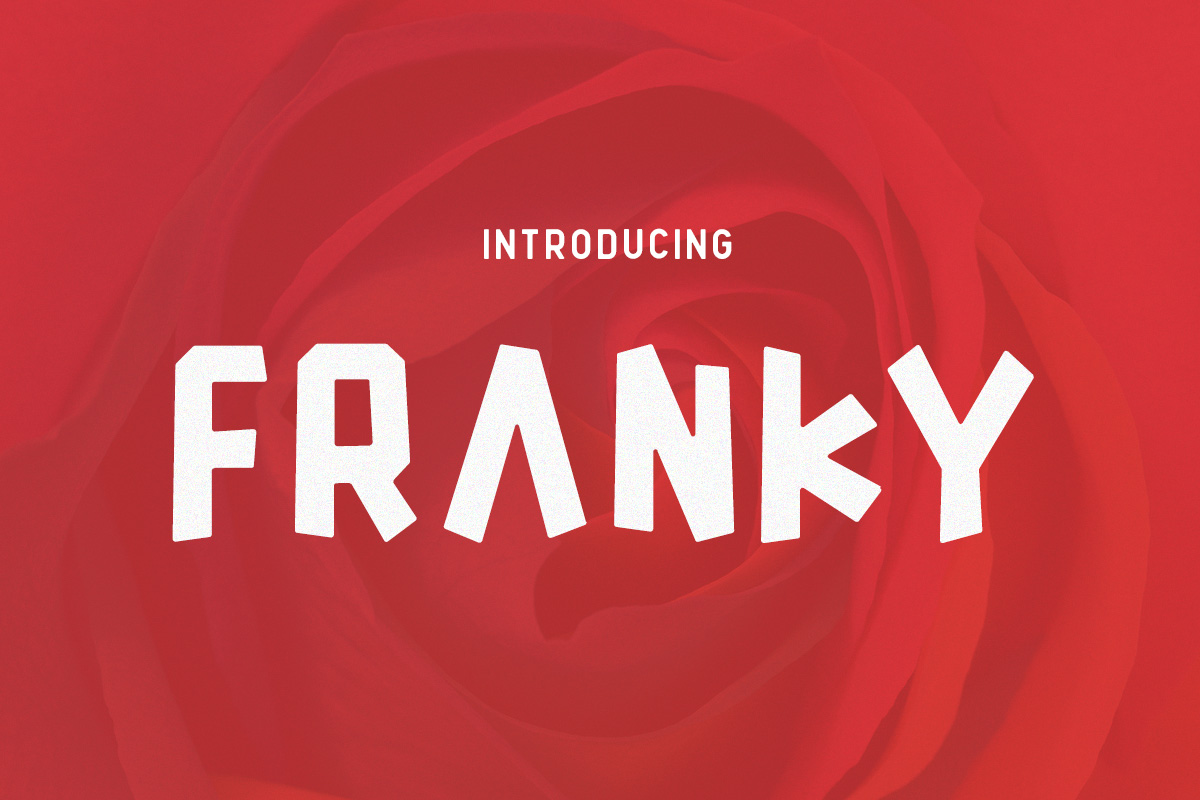
Franky: Creative Assembly for Original Ideas
Every creative knows the feeling: you have a dozen half-formed concepts, a folder of saved references, and a deadline that’s breathing down your neck. The raw materials are there, but the spark that turns scraps into something remarkable feels just out of reach. That’s where thinking like Franky comes in. Franky isn’t a person, a template, or a piece of software—it’s a mindset, a method of creative assembly that treats your existing ideas, influences, and constraints as building blocks for something genuinely new.
The name draws from two directions: the Frankenstein tradition of stitching together disparate parts to create a functioning whole, and the value of being frank—honest about what you’re borrowing, combining, and reshaping. When you work with Franky, you stop waiting for a perfect, original lightning bolt. You start building from what you already have, one deliberate piece at a time.
What Franky Actually Looks Like in Practice
At its core, Franky is a repeatable process: gather, mismatch, refine, commit. You collect fragments that intrigue you—a color palette from a vintage poster, a sentence rhythm from a podcast, a structural trick from a competitor’s landing page. Then you combine them in ways that feel slightly wrong at first. That discomfort is a signal you’re on the edge of something original.
For example, a freelance designer might take the layout of a minimalist magazine, the typography of a 1970s textbook, and the interaction pattern of a mobile game. The result isn’t derivative—it’s a deliberate fusion. Franky encourages you to credit your sources internally but not to mimic them. You’re assembling, not copying.
Why This Resonates Now
We live in an era of information overload. The pressure to be “totally original” paralyzes many creators. Franky offers a relief valve: originality through combination. It’s a practical response to creative block that works for bloggers writing their first long-form piece, educators designing a new curriculum unit, or small business owners trying to refresh their brand voice. The method is low-overhead—you don’t need special tools, just a willingness to play with fragments and a system to keep track of them.
Creative Possibilities Across Audiences
Franky isn’t a one-size-fits-all formula. Different users adapt the assembly approach to their own constraints and goals. Here’s how various creators have applied it:
- Marketers and content strategists can Franky-approach a campaign by blending a customer testimonial structure with a narrative arc from a favorite novel. The result feels personal yet unexpected. One marketer I know built an entire email sequence by combining the pacing of a thriller with the clarity of a user manual—open rates climbed 40%.
- Web designers treat Franky as a mood-board evolution. Instead of chasing trends, they assemble components from three distinct design systems: the spacing of Bootstrap, the color logic of Material Design, and the typography chaos of early web zines. The output looks cohesive because the assembly is intentional, with each part chosen to solve a specific user need.
- Writers and bloggers use Franky to break out of repetitive formats. Take the structure of a listicle, the voice of a personal essay, and the research density of a white paper. Assemble them in a new order: start with a personal hook, drop in a bulleted comparison, then expand with sourced data. The reader gets variety without confusion.
- Entrepreneurs and solopreneurs apply Franky to product descriptions or pitch decks. They combine the emotional vocabulary of a founder story with the bullet-point logic of a spec sheet. The audience feels both connection and clarity.
Adapting Franky for Different Platforms
One of the method’s strengths is its flexibility across formats. On social media, where attention is scarce, Franky works best when you limit your building blocks to two or three elements. For Instagram captions, combine a conversation opener with a micro-lesson and a call to action that feels like a friend’s suggestion. For LinkedIn articles, blend a professional case study with a personal anecdote and a clear takeaway—each piece assembles cleanly because you’ve chosen them for complement rather than contrast.
Long-form content like blog posts or video scripts can handle more fragments. A 1500-word piece might assemble: an analogy from nature, a customer scenario, a statistical fact, and a counterintuitive quote. The key is to maintain a single emotional thread—if your base tone is curiosity, every fragment should serve that curiosity, even if the individual pieces come from wildly different domains.
When to Hold Back
Not every project needs Franky. If your goal is to deliver a straightforward tutorial or a purely functional instruction, layering multiple influences can muddy the message. Use the assembly method when you want to spark engagement, surprise your audience, or solve a problem where existing solutions feel stale. For transparent communication, stay simple. For creative differentiation, assemble.
Keeping Results Clear and Organized
The danger of any combinatorial method is chaos. Franky works only when you impose structure on the assembly. Here are practical guidelines I recommend to keep your output effective:
- Start with a single anchor. Choose one element that will serve as the backbone—a structure, a voice, or a central metaphor. All other pieces must relate back to that anchor.
- Limit your source pool to five fragments. More than that, and you lose coherence. Less than three, and you risk not having enough contrast.
- Test the combination against your audience’s mental model. Read your assembled draft aloud. If a listener would need to pause and reorient, the assembly is too jarring. Smooth out transitions with bridging sentences that explain why each piece fits.
- Iterate on the assembly, not the individual pieces. Don’t polish each fragment before combining. Assemble first, then refine the whole. This prevents perfectionism from killing the creative spark.
Realistic Examples of Franky in Action
Let’s ground this with two concrete scenarios. A freelance illustrator wants to create a portfolio piece that stands out. Instead of drawing a single subject, she uses Franky: she takes the texture of torn paper, the line weight of a technical diagram, and the color palette of an overcast afternoon. She assembles them into a portrait of a forest. The result is recognizably her style, but it’s unlike anything she has made before. The client who commissions the piece cites the “honest rawness” as the reason.
An educator designing a workshop on critical thinking applies a similar approach. He combines the Socratic method’s questioning rhythm with the visual structure of a mind map and the pacing of a choose-your-own-adventure book. Workshop participants report feeling both challenged and comfortable—the familiar (questioning) meets the novel (branching narrative). The educator kept a simple log of which fragments he used, which made it easy to replicate the session for a different audience with minor swaps.
Originality Through Honest Assembly
The most common objection to Franky is that it sounds like glorified borrowing. That misses the point. Every creator works within a tradition, whether they admit it or not. Franky simply makes the process transparent and intentional. By being frank about what you’re assembling, you gain control over the final meaning. Originality doesn’t come from inventing something from nothing—it comes from making connections no one else has made, and then owning those connections as your own creative decision.
For the entrepreneur building a brand story, that might mean weaving together a personal failure, a competitor’s smart positioning, and a customer’s offhand compliment. For the designer, it could be the marriage of a brutalist grid with a whimsical illustration style. The honesty lies in the assembly, not in pretending the pieces appeared from the void.
Practical Recommendations to Start Today
If you want to adopt Franky, begin with a small project. Take something you’d normally create in a day—a newsletter edition, a single social post, a one-page handout. Spend an hour gathering fragments from three different sources: something you admire, something you disagree with, and something that feels completely unrelated. Assemble them into a first draft. Don’t judge the result yet. Just see what happens.
Track what feels exciting and what feels forced. After three or four such experiments, you’ll develop a sense for which fragments combine well for your voice. You can then scale the method to larger projects—a rebrand, a course curriculum, a video series. The process scales because the principles remain the same: honest collection, deliberate mismatch, and iterative refinement.
Tools That Support the Franky Mindset
You don’t need a specific app, but certain tools help. A physical idea board or a digital tool like Milanote works well for collecting visual fragments. For text-based fragments, a simple note-taking app with tags lets you quickly pull from your library. The important thing is that you can see the pieces together. When fragments are visible simultaneously, unexpected connections happen naturally.
Resist the urge to categorize everything from the start. Let the assembly guide your organization, not the other way around. After a few projects, you’ll notice patterns—fragments that keep appearing, types of combinations that resonate. That feedback becomes your personal creative grammar.
Balancing Inspiration with Practical Constraints
Franky is not a license to ignore deadlines, budgets, or audience expectations. The method works best when you embrace limits as additional fragments to assemble. For example, if you have a strict word count, treat that limit as a structural fragment—it will force you to choose only the most essential pieces. If your client needs a brand tone that’s professional but approachable, include that as a constraint fragment early in the process.
The most successful Franky projects I’ve seen are those where the creator acknowledged the practical constraints honestly and let them shape the assembly. That produces work that feels both creative and grounded—not floating in abstract inspiration but rooted in real-world use.
So go ahead. Gather the pieces. Be frank about where they came from. Assemble without apology. The result will be yours in a way that pure imitation never could be. Franky isn’t a shortcut to genius—it’s a reliable path to building something that has a voice of its own, built from the honest, varied material of the world around you.