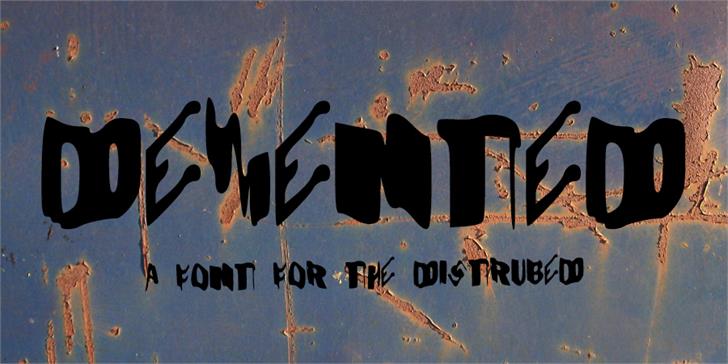
What Is Demented? A Creative Tool for Bold Expression
Creativity often thrives at the edges of convention. Whether you’re designing a campaign that needs to stop the scroll or exploring a personal art project that defies norms, having the right tool can make the difference between safe and unforgettable. Enter Demented — a platform designed to help you generate visuals, concepts, and content that feel raw, surreal, or intentionally twisted. It’s not for every project, and it’s not for everyone. But for those willing to step off the beaten path, Demented offers a way to produce work that stands out in crowded feeds and portfolios.
This article walks through what Demented is, why different types of creators and professionals might care about it, and how you can determine whether it aligns with your goals, skill level, and audience. No fluff, just a practical look at a tool that embraces the unconventional.
What Demented Actually Does
At its core, Demented is a creative software — often used for generating surreal, distorted, or edgy visual content. Think of it as a digital sandbox where you can feed in an idea, a photograph, or a set of parameters and receive outputs that play with perspective, texture, color, and form in unexpected ways. Some versions also include text-to-image generation, style blending, and manual adjustment sliders for fine-tuning the “demented” effect.
Depending on the version you use, Demented might be a standalone app, a plugin for existing design tools, or a web-based service. What unifies all interpretations is the focus on controlled chaos — you decide how far to push the distortion, and the tool helps you land somewhere between recognizable and completely abstract.
Why Different Audiences Look at Demented Differently
Your background and goals will shape what you get from Demented. A beginner might see a fun filter to play with, while a professional marketer might evaluate it as a way to create disruptive ad assets. Let’s break down the perspectives that matter most.
Beginners and Hobbyists: Playful Exploration Without Pressure
If you’re new to creative software, Demented can feel surprisingly approachable. Many versions offer preset styles — “melted,” “shattered,” “nightmare lite” — that instantly transform a normal photo into something eerie or humorous. You don’t need to understand layers or masks to get interesting results.
- Ease of use is the top priority here. Look for versions with drag-and-drop interfaces and one-click effects.
- Cost matters. Many hobbyists start with a free trial or a low-cost tier that limits output resolution but still allows experimentation.
- Learning value is a bonus. While you play, you naturally start noticing how color shifts and texture overlays affect mood — useful if you ever want to go deeper into design.
Practical example: A hobbyist photographer uses Demented to turn a simple portrait into a surreal double-exposure effect for their Instagram feed. The piece gets shared widely, not because it’s technically perfect, but because it triggers an emotional reaction — curiosity, unease, fascination.
Professional Creators and Artists: Pushing Boundaries With Control
For illustrators, digital painters, and concept artists, Demented offers more than novelty. It becomes a tool for breaking creative blocks or generating base textures that would take hours to build from scratch. The key difference for this group is the need for flexibility and quality.
An experienced user will likely avoid presets and instead dive into the manual controls: adjusting distortion strength, blending modes, and masking areas to keep certain parts of an image untouched. They care about output resolution, color fidelity, and whether the tool can handle high-res exports for print or large displays.
- Professional creators often use Demented as a companion tool — processing a base image in their main software, then bringing it into Demented for specific texture or distortion effects.
- They also consider reliability and speed. A tool that crashes during a client deadline is unacceptable. Check reviews for stability on your operating system.
Example: A concept artist working on a video game environment uses Demented to generate a series of twisted tree forms from a simple silhouette. They export the best three variants and paint over them in Photoshop, combining algorithmic weirdness with human polish.
Educators and Workshop Facilitators: Teaching Creative Risk-Taking
If you teach art, design, or media production, Demented can serve as a provocation tool. It pushes students to wrestle with questions like “How far can you distort an image before it loses meaning?” and “What emotional effects do different distortions create?”
Educators prioritize learning value over commercial output. They look for tools that are intuitive enough for a classroom of mixed skill levels, and that spark discussion. Demented works well here because the results are immediate and often surprising, which keeps engagement high.
One practical approach: In a lesson on surrealism, students start with a selfie and apply three different Demented effects, then write a short paragraph on how each version changes the feeling of the original photo. That process builds visual literacy without requiring technical mastery.
Business Owners and Marketers: Standing Out Without Losing Brand Identity
For small business owners, freelancers, and marketers, the primary question is: Can Demented help me capture attention in a noisy marketplace? The answer depends on your industry and brand voice. If you sell products in creative fields — fashion, music, nightlife, gaming — an edgy visual style can feel authentic. But if you run a law firm or accounting service, Demented likely won’t serve your needs.
When evaluating Demented for commercial use, consider these factors:
- Brand alignment. Does your brand allow for surreal or distorted imagery, or would it confuse your audience? Test a few samples and get feedback from trusted clients.
- Speed and workflow. Can you generate a campaign asset in under an hour? Marketers often need quick turnaround. Demented’s batch processing or API access (if available) makes a big difference.
- Licensing and usage rights. If you’re creating assets for a client, confirm that the output rights are commercial-friendly. Some tools restrict use of generated content for resale or trademark purposes.
Example: A small streetwear brand uses Demented to create a series of distorted logo variations for their seasonal launch. Each hoodie features a slightly different “broken” version of the logo. The campaign goes viral on TikTok because the imagery is visceral and matches the brand’s anarchic vibe.
How to Decide If Demented Matches Your Goals
No single tool fits everyone, and Demented is no exception. Here’s a simple framework to help you gauge fit based on your primary intent.
When Demented Makes Sense
- You’re exploring creative ideas without a strict commercial deadline.
- Your project benefits from unexpected or unsettling visuals — think album covers, game concept art, avant-garde editorial.
- You have at least a basic comfort with creative software and are open to iterative experimentation.
- You value speed of inspiration over micromanaging every pixel.
When You Might Want to Look Elsewhere
- You need perfectly consistent, clean visuals (e.g., corporate headshots, product catalogs).
- Your workflow demands precise color grading and typography integration that Demented doesn’t support natively.
- You’re on a tight budget and cannot afford the full version, while the free tier severely limits resolution or export options.
- You work with sensitive subject matter where distorting reality could be misinterpreted as disrespectful.
Long-Term Usefulness: Will Demented Stay Relevant?
Trends in visual content shift, but the appetite for distinctive, emotional imagery remains constant. Demented’s value lies not in any single filter, but in its mindset: it gives you permission to break rules. As AI tools evolve, we may see more features like real-time collaboration, integrated vector editing, or even animated distortions. For now, it remains a niche but powerful option for creators who want to leave the safe zone.
Whether you’re a beginner dipping toes into surreal design, a professional seeking a fresh spark, or a business owner building a bold brand, Demented offers a lane that few other tools occupy. Try it on a small project first. Push a few sliders. See what you feel. That’s the whole point.