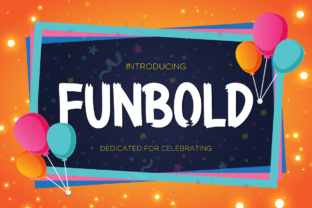
Funbold: A Practical Look at Digital Goods for Every Type of Creator
If you have ever hunted for a quick graphic template, a clean website theme, or a set of icons that do not require hiring a designer, you have likely come across marketplaces that promise instant downloads. Funbold is one such platform, but it stands out by focusing on a mix of creative assets that cater to both casual hobbyists and seasoned professionals. Whether you are building a side project, updating your brand, or simply exploring new design tools, understanding what Funbold offers and how it fits different needs can save you time, money, and effort.
This article breaks down Funbold from multiple angles so you can decide if it matches your specific goals, skill level, and project type. No fluff, no hard sell—just a clear look at what works, what matters, and for whom.
What Funbold Actually Offers
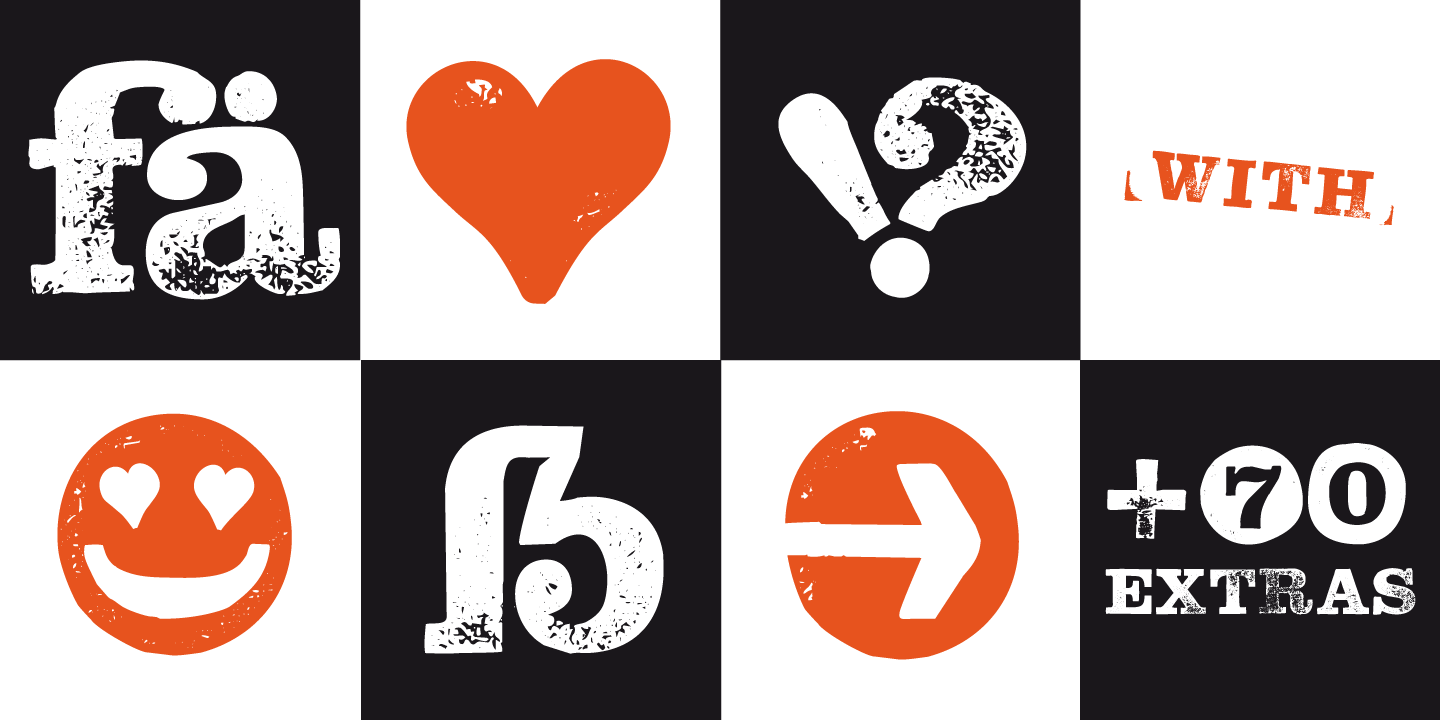
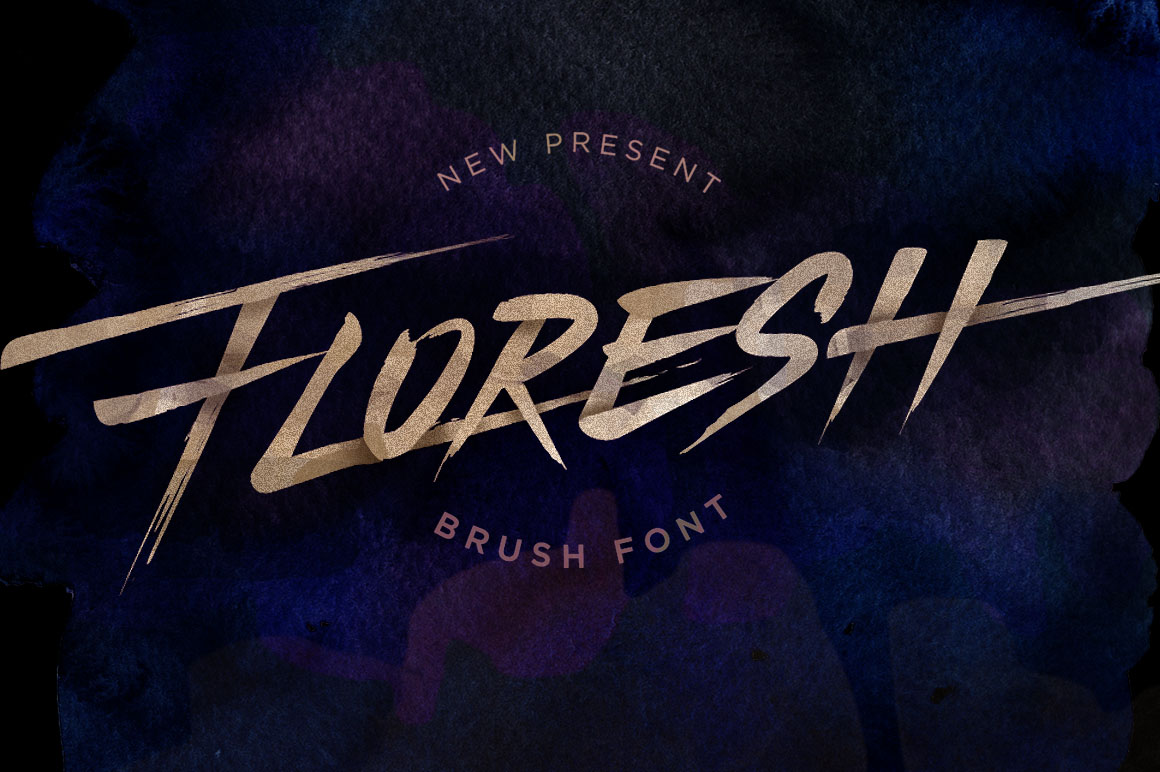
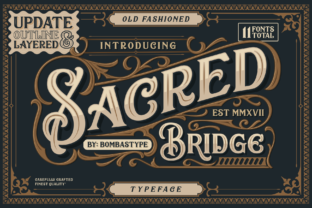
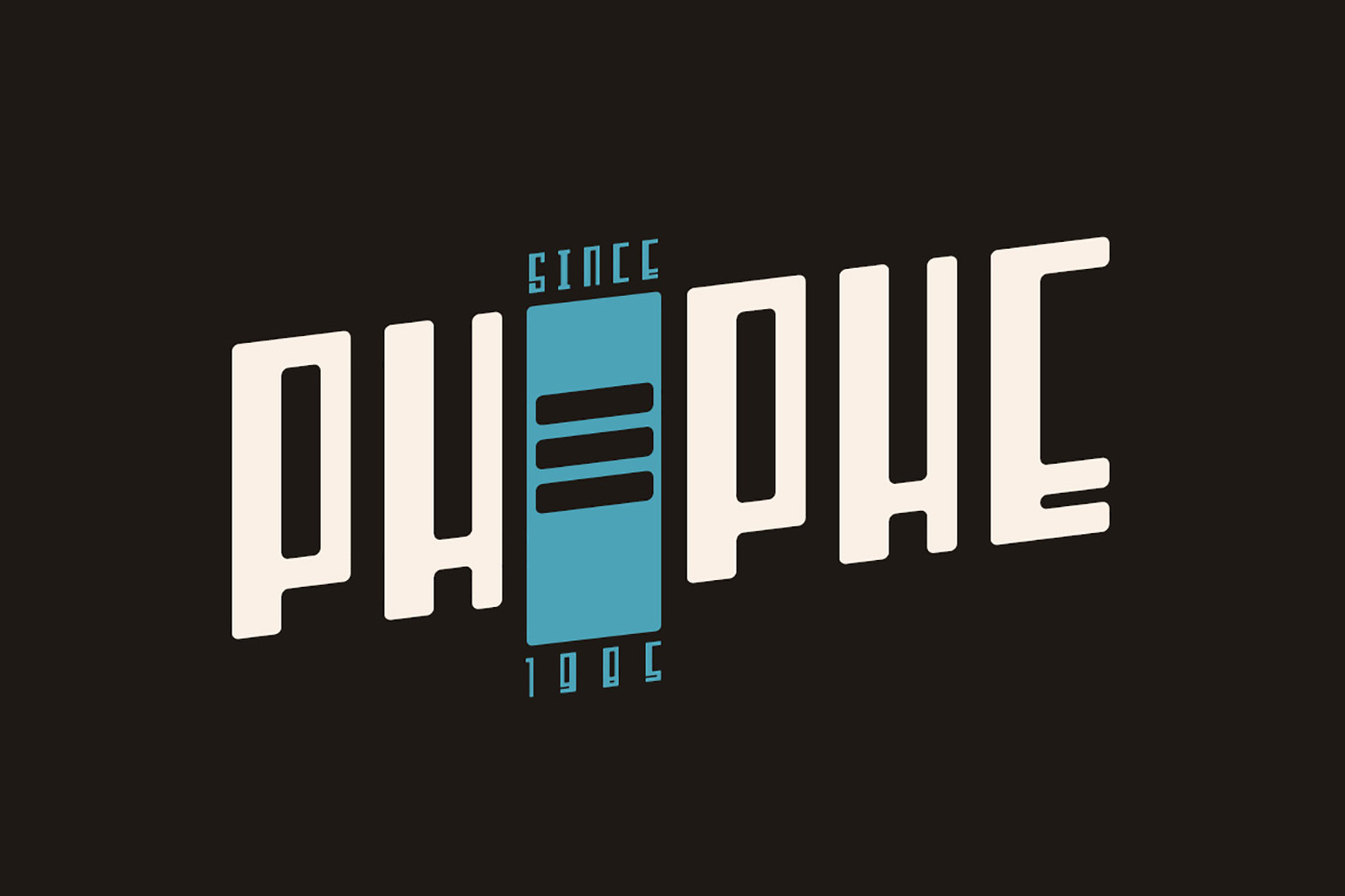
Funbold is a digital marketplace where creators and consumers buy and sell pre-made design assets. Think of it as a library of ready-to-use materials: social media templates, website themes, logo sets, fonts, mockups, and even UI kits. The assets are typically delivered as editable files, meaning you can open them in software like Photoshop, Illustrator, or Canva and customize them to your liking.
The platform appeals to people who need professional-looking results without starting from scratch. Instead of spending hours on layout, color matching, or typography, you download a file and tweak it. For some, this is a shortcut to a polished product. For others, it is a foundation to build upon. The value depends heavily on your background, your project, and how much control you want over the final output.
Why Different Audiences Care About Funbold
Not everyone approaches a digital marketplace the same way. A small business owner looking for a quick flyer template has different priorities than a freelance designer searching for high-quality mockups. Funbold sits somewhere between entry-level convenience and professional utility, which means it resonates with different groups for different reasons.
Beginners and Hobbyists: Ease of Use and Low Barrier to Entry
If you are new to design or just need something done fast, Funbold can feel like a lifesaver. The templates are straightforward to customize, and many require minimal software knowledge. For example, a beginner wanting to promote a local event can download a flyer template, change the text and images, and have a print-ready file in under an hour.
The cost is also friendly. Individual assets are often priced lower than custom design work, and there are bundles that make experimentation affordable. You might spend a few dollars on a set of social media templates rather than paying a designer for a full brand package. For hobbyists running a personal blog, a small YouTube channel, or a community group, this trade-off between price and quality usually works well.
However, beginners should be aware that some templates assume a basic understanding of layers, fonts, and export settings. If you have never opened a design application before, you may need to watch a quick tutorial. Funbold does not include built-in editing tools, so you must bring your own software. But for anyone willing to learn a little, the learning curve is gentle.
Professionals and Freelancers: Speed, Reliability, and Presentation
For experienced designers, marketers, and freelancers, time is money. Funbold becomes a tool for efficiency. Instead of building every component from scratch, you grab a well-structured template and adapt it to a client’s needs. A web designer, for instance, might use a Funbold landing page theme as a starting point for a client project, saving hours of wireframing and prototyping.
Reliability matters here. Professionals need files that print correctly, export cleanly, and follow design conventions. Funbold community ratings, preview images, and file descriptions help you assess quality before you buy. Many assets include multiple file formats (AI, EPS, PSD, SVG), which adds flexibility for different workflows.
Presentation also counts. If you are pitching to a client, using a refined template can make your work look more polished faster. A freelancer who needs a quick mockup for a proposal or a social media set for a campaign can grab it from Funbold and focus on the strategic parts of the project. The platform serves as a time-saving resource, not a crutch.
Educators and Trainers: Learning Value and Adaptability
Teachers, workshop leaders, and online course creators sometimes use Funbold assets as teaching tools. A designer leading a class on brand identity might buy a logo template set and show students how to modify it, explaining design principles through practical edits. The files become real-world examples that students can deconstruct and rebuild.
For educators, the key criteria are clarity, licensing, and adaptability. You need assets that are easy to distribute to students without legal headaches. Funbold’s licensing for most items allows for educational use, but it is wise to check the specific terms if you plan to share files widely. Some educators also appreciate that the platform offers assets in different styles, helping students see a range of design approaches without searching multiple sites.
If you teach entrepreneurship or marketing, you can use Funbold to demonstrate how small businesses can create consistent branding on a budget. It is a concrete example of practical resourcefulness.
Small Business Owners and Entrepreneurs: Cost, Commercial Value, and Long-Term Usefulness
Running a business means juggling many priorities, and design often lands near the bottom of the list. Funbold helps owners maintain a professional image without hiring a full-time designer. A restaurant owner can download a menu template, a real estate agent can grab property flyer templates, and a coach can find social media graphics that align with their brand colors.
Cost is a major factor. A single template may cost less than a coffee, and a bundle can cover your entire visual identity for the price of a lunch meeting. The commercial value is clear: you get materials that look intentional and cohesive, which builds trust with customers. Over time, having a set of reusable templates means you can produce fresh content quickly, whether for seasonal promotions, new services, or regular posts.
Long-term usefulness depends on your brand’s evolution. If your business changes direction or your visual identity matures, you may outgrow certain templates. But for many small operations, Funbold assets remain relevant for years because they are designed to be generic enough to adapt. Just make sure the licenses allow modifications and commercial use—most do, but double-check if you plan to sell products that incorporate the assets.
Different Priorities, Different Evaluations
When assessing whether Funbold is right for you, consider what matters most for your specific situation. The same platform can be a goldmine or a mismatch depending on your lens.
Ease of Use vs. Creative Flexibility
Beginners often prioritize ease of use. They want templates that are clearly labeled, come with instructions, and work out of the box. Funbold scores well here because most files include organized layers and common naming conventions. But if you crave total creative freedom—the ability to change every pixel, add complex effects, or merge multiple styles—you might find templates restrictive. Experienced users sometimes prefer to build from scratch or use more modular asset libraries. Evaluate your tolerance for constraints before buying.
Cost vs. Quality
Funbold sits in a sweet spot where many assets cost a few dollars. For that price, you get solid quality, but you might not get the depth of a premium design studio offering. If you need ultra-high-end branding for a luxury product or a highly specialized illustration, you may need to invest more elsewhere. For everyday marketing, standard web design, or personal projects, the quality-to-cost ratio is often excellent. Look at previews carefully, read reviews, and compare with other marketplaces if you have specific standards.
Speed vs. Originality
Using pre-made templates is fast. You can go from idea to finished file in minutes. But templates are not unique by nature—someone else might use the exact same layout. If your project demands 100% originality, you may want to combine multiple assets or heavily customize them. For most business and social media uses, a small risk of similarity is acceptable because your content, colors, and brand voice differentiate you. If you are a creator selling design services, you might avoid obvious templates to maintain your own distinct style.
Practical Examples for Different Reader Types
- For a freelancer: Download a UI kit for a client’s app mockup. Customize the buttons and navigation, present it in a proposal, and bill the hours you saved.
- For a blogger: Pick a set of Pinterest and Instagram templates. Swap images and text each week, keeping your feed consistent without designing from zero.
- For a teacher: Buy a bundle of infographic templates. Use them in class to show how information design works, then let students edit their own versions as an exercise.
- For a store owner: Grab a flyer template for a weekend sale. Add your logo, change the product photo, and print or post it online within the same day.
Identifying Whether Funbold Matches Your Goals
Before you purchase, ask yourself a few questions. What is your skill level with design software? If you are comfortable with basic edits, Funbold will feel intuitive. If you are a complete beginner, look for bundles that include video guides or simple file structures. What is your timeline? If you need something by tomorrow, the instant download model works perfectly. If you have weeks to refine a project, you might prefer to design from scratch or commission custom work. What is your budget? One-off purchases make sense for small needs, while bundles or subscription models (if available) suit ongoing content creation.
Also consider your long-term relationship with the assets. Some templates are evergreen—think minimal fonts or clean icon sets—while others follow trends that fade. For materials you plan to use repeatedly, invest in styles that feel timeless or easily updateable.
Final Thoughts on Funbold
Funbold is a practical resource for anyone who needs digital assets without the overhead of custom design. It works well for beginners because of its affordability and simplicity, for professionals because of its speed and reliability, for educators because of its adaptability, and for business owners because of its commercial value. No platform is perfect for everyone, but Funbold covers a broad range of use cases with minimal friction.
If you value convenience, cost efficiency, and a decent level of quality, it is worth exploring. If you need ultra-unique, deeply specialized assets or you want an all-in-one editing environment, you might need to complement Funbold with other tools. The key is to match your expectations with what the platform actually delivers: a library of ready-to-edit design materials that save time and effort, letting you focus on what you do best.